
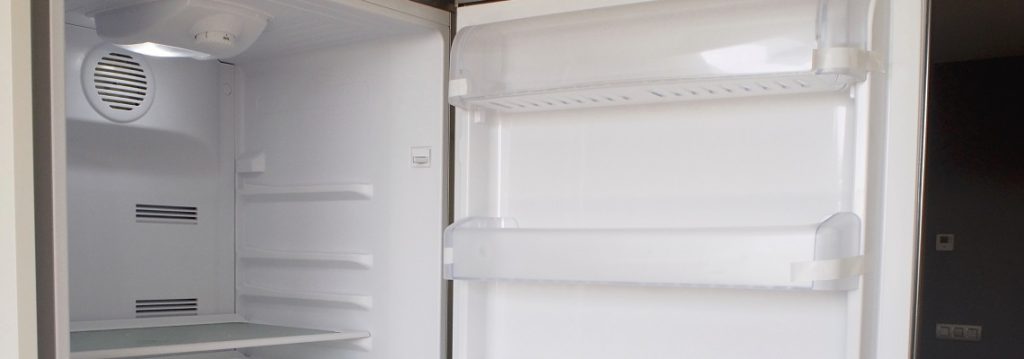
Storing a fridge or freezer in a self storage unit requires a little preparation to ensure it stays clean, dry, and free from mould while not in use.
Whether you’re moving house, renovating, travelling, or simply need extra space, taking the time to properly prepare your appliance can help prevent unpleasant odours, mould growth, and costly damage.
At Easy Storage Rockingham, we regularly help customers store household appliances safely. Here are four simple tips to help keep your fridge or freezer in excellent condition while in storage.
Why Proper Fridge Storage Matters
Many people place a fridge into storage without properly cleaning or drying it first. Unfortunately, even a small amount of moisture or food residue can lead to mould, mildew, unpleasant smells, and pest problems.
Preparing your fridge correctly before storage will help:
- Prevent mould and mildew growth
- Eliminate unpleasant odours
- Reduce the risk of pests and rodents
- Protect internal components
- Keep your appliance ready for future use
Tip 1: Defrost Your Fridge or Freezer Completely
Before placing a fridge or freezer into storage, remove all food items, ice, and food residue.
If your appliance has a freezer compartment, allow enough time for it to completely defrost before moving day.
We recommend defrosting your fridge or freezer at least several days before storage. This gives any trapped moisture time to evaporate and ensures the appliance is completely dry before being stored.
During the defrosting process:
- Remove all food and packaging
- Empty ice trays
- Drain excess water
- Wipe away any remaining moisture
Taking this step will significantly reduce the risk of mould developing while the appliance is in storage.
Tip 2: Clean Every Surface Thoroughly
Once your fridge or freezer has been defrosted, give it a thorough clean.
Food particles can hide in corners, seals, shelves, and drawers. Even tiny crumbs can attract insects and rodents if left behind.
Pay particular attention to:
- Door seals and rubber gaskets
- Vegetable drawers
- Glass shelves
- Freezer compartments
- Drain holes and internal corners
A solution of warm water and mild dishwashing liquid is usually sufficient.
Avoid using harsh chemicals or strong cleaning products that may damage internal surfaces or leave lingering odours.
After cleaning, rinse and dry all removable components before placing them back inside.
Tip 3: Make Sure the Appliance Is Completely Dry
Moisture is one of the main causes of mould growth during storage.
After cleaning, leave the fridge and freezer doors open for several hours, or even overnight if possible, to allow any remaining moisture to evaporate.
Before moving the appliance into your storage unit:
- Check shelves and drawers are dry
- Wipe door seals thoroughly
- Ensure there is no condensation inside
- Remove any standing water
One useful trick is to place a few dry tea bags or moisture-absorbing products inside the appliance. These can help absorb residual humidity and minimise odours during long-term storage.
Leave the Door Slightly Open
Never store a fridge or freezer with the door fully closed.
Keeping the door slightly ajar allows air circulation and dramatically reduces the likelihood of mould and mildew developing.
A small wooden block, towel, or door spacer can help keep the door open during storage.
This simple step is often the most effective way to prevent unpleasant smells and mould growth.
Tip 4: Store Your Fridge Upright
Whenever possible, transport and store your fridge in an upright position.
Laying a refrigerator on its side can cause compressor oil to move into the cooling lines, potentially affecting performance when the appliance is switched on again.
If the fridge must be transported horizontally, allow it to stand upright for at least 24 to 48 hours before reconnecting it to power.
Keeping your fridge upright during storage helps protect:
- The compressor
- Cooling system components
- Internal shelving
- Door alignment
It also reduces the risk of accidental damage during transport and storage.
Additional Fridge Storage Tips
For the best results, consider these additional storage recommendations:
Choose the Right Storage Unit
A clean, secure storage unit helps protect your appliances from dust, pests, and accidental damage.
When storing household appliances, ensure there is enough room around larger items for airflow and safe access.
Avoid Stacking Heavy Items
Never place heavy furniture or boxes on top of a fridge or freezer.
This can damage the appliance casing, hinges, or cooling components.
Protect the Exterior
Wrapping your fridge with furniture blankets or moving pads can help protect the finish from scratches during transport and storage.
Frequently Asked Questions
Can I store a fridge unplugged for a long time?
Yes. As long as it has been properly cleaned, dried, and stored with the door slightly open, a fridge can remain safely in storage for extended periods.
Should I leave baking soda inside my fridge during storage?
Yes. Baking soda can help absorb odours and residual moisture while the appliance is in storage.
What happens if I store a fridge with the door closed?
A closed fridge can trap moisture and create the perfect environment for mould, mildew, and unpleasant smells to develop.
Can mould damage a fridge?
Mould can stain surfaces, create persistent odours, damage seals, and require extensive cleaning before the appliance can be safely used again.
Need More Self Storage Advice?
Proper preparation can make a significant difference when storing household appliances. By defrosting, cleaning, drying, and storing your fridge correctly, you can help keep it mould-free and ready to use when needed.
If you’re looking for secure self storage in Rockingham, Easy Storage offers flexible storage solutions for household furniture, appliances, business items, vehicles, and more.
Contact our team today to find the right storage unit for your needs.